

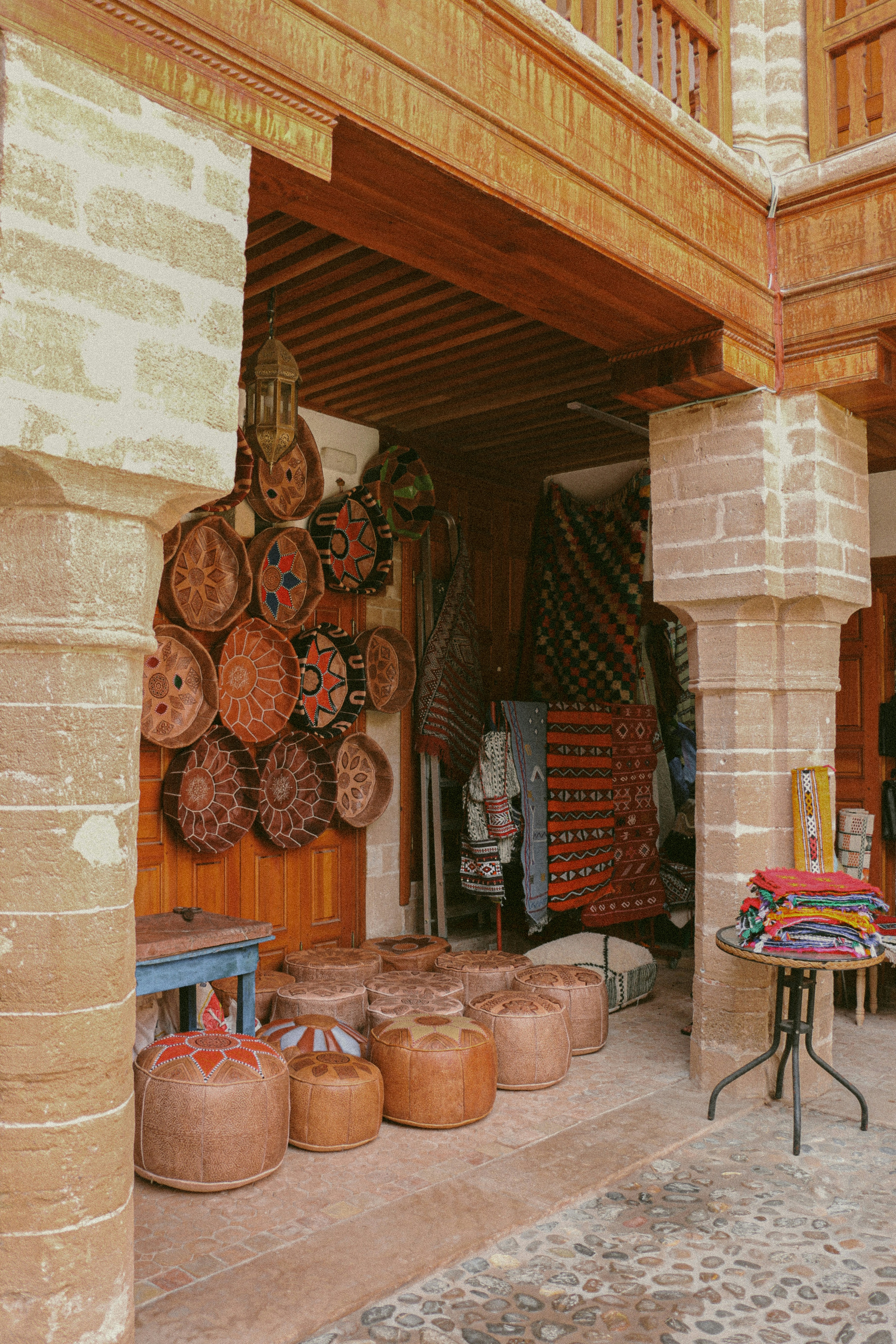
Exploring the World of Handmade Crafts
The realm of handmade crafts evokes a rich tapestry of creativity, skill, and emotional resonance. These artisanal creations are not merely items; they embody the dedication and craftsmanship of their creators. Each piece is a testament to the traditional crafting techniques that have been passed down through generations, emphasizing a deep connection between the maker and its buyer. This profound bond enhances the value of handmade goods, setting them apart from mass-produced alternatives.
Within our handicrafts shop, a diverse array of handmade categories caters to various tastes and interests. Pottery, for instance, showcases the beauty of shaping clay into functional art. Each ceramic piece carries the fingerprints of its creator, enhancing its character and uniqueness. The allure of textiles lies in the intricate patterns and methods used to create fabrics, embodying the cultural heritage of the weaver and the narrative behind their techniques.
Woodworking is another essential category, where artisans transform raw timber into breathtaking furniture and decorative items. The warmth of wood, coupled with expert craftsmanship, results in durable and aesthetically pleasing products that reflect nature’s beauty. Additionally, handmade jewelry offers a personal touch, often crafted with precious materials and gems that can express individual style and sentiment, making each piece a cherished treasure.
The resurgence of interest in handmade goods is a response to an increasingly automated world, where consumers seek authenticity and a story behind their purchases. In supporting these crafts, buyers not only acquire unique items but also participate in the preservation of artisanal skills that are integral to cultural identity. Handmade crafts serve as a reminder of the rich traditions and stories woven into each piece, fostering a deeper appreciation for craftsmanship and the artistry involved in their creation.
The Crafting Process: Behind the Scenes
Creating handmade items is a meticulous and passionate endeavor that reflects the unique craftsmanship of local artisans. The crafting process varies significantly across different categories, whether it be pottery, textiles, or woodworking, each requiring distinct materials and techniques. For instance, in pottery, artisans often use locally sourced clay, which they meticulously shape, fire, and glaze to create functional and decorative pieces. This process can take several days or even weeks, depending on the complexity of the design.
Textile artisans might engage in techniques such as weaving or embroidery, necessitating the selection of high-quality fibers and threads. The time commitment for these crafts may involve not only the act of creating the piece but also preparation work, such as dyeing materials or sketching patterns. Each stitch and weave reflects the artisan’s skill and attention to detail, making each piece a testament to their dedication.
Woodworkers, on the other hand, often utilize reclaimed or sustainably sourced timber to create their works. The process includes planning, cutting, sanding, and finishing the wood, each stage requiring a specific set of tools and considerable experience. Local artisans like Jake, who specializes in handcrafted furniture, describe how every piece tells a story, incorporating elements of the timber’s origin and the techniques passed down through generations.
As we explore the crafting processes of different artisans in our shop, it becomes evident that the skills they employ are a result of years of practice and passion. Each handmade item not only embodies artistry but also captures the individual’s personal journey within their craft. Observing these unique methods helps foster a deeper appreciation for the time, effort, and creativity that goes into every product, reinforcing the significance of supporting local craftsmanship.
The Benefits of Supporting Handmade Crafts
Supporting handmade crafts provides a plethora of benefits that extend beyond mere consumer satisfaction. Firstly, handmade items are characterized by their unique qualities. Each piece is crafted with individuality, often reflecting the personality and skills of the artisan. This intrinsic value elevates handmade products above mass-produced counterparts, making them not only special but also meaningful gifts and decor options for any home. The narratives behind these creations often resonate more profoundly with buyers, adding sentimental value that enhances the overall experience of ownership.
Moreover, purchasing handmade crafts contributes positively to sustainability efforts. Artisans frequently prioritize eco-friendly materials and production methods, unlike large corporations that may rely on harmful practices. By choosing handmade, consumers play an active role in promoting sustainable practices that minimize environmental impact. This conscious decision helps to reduce waste and encourages a cycle of mindfulness regarding one’s consumption choices.
Additionally, supporting handmade crafts has significant implications for local economies. Buying from artisans stimulates economic growth within communities, providing them with the resources necessary to thrive. This form of support also fosters fair trade principles, ensuring that artisans receive just compensation for their labor and creativity. By choosing to invest in handmade goods, consumers can help to sustain artisanal skills and traditions that are at risk of disappearing in an increasingly industrialized world.
Furthermore, the act of purchasing handmade crafts encourages ethical practices, offering a more transparent supply chain. Consumers can feel confident knowing their investments are contributing to social and economic equity. Ultimately, supporting handmade crafts not only enriches lives through unique products but also promotes a positive shift towards more responsible consumer behavior.
How to Choose the Perfect Handmade Item
When selecting the perfect handmade item, it is essential to evaluate both the quality and the story behind each piece. The craftsmanship in handmade goods often varies significantly, so taking the time to inspect the item closely can help ensure that you are making a worthwhile investment. Look for details such as even stitching, smooth finishes, and sturdy construction. These factors can indicate a higher level of care and skill in the creation process, reflecting the artisan’s dedication to their craft.
Understanding the story behind a handcrafted product can create a richer connection to it. Many artisans take inspiration from their cultural background or personal experiences, which enhances the uniqueness of their creations. Engaging with the creator, whether through a one-on-one conversation or by exploring their brand’s literature, can provide insights into the inspiration and techniques used in the crafting process. This knowledge not only deepens appreciation for the item but also fosters a sense of connection between the buyer and the maker.
Incorporating handmade items into your daily life or gifting occasions can be a meaningful way to express personal style. Whether it is a decorative piece for your home, wearables that showcase individuality, or serving pieces that elevate dining experiences, handmade goods help create lasting memories. Additionally, when selecting gifts, consider the recipient’s interests and style, opting for unique handmade items that resonate personally with them.
Finally, supporting small-scale businesses over mass production not only contributes to the economy but also champions individual creativity. By purchasing handmade goods, you embrace the artistry behind each piece and support artisans in their craft. This personal connection makes every purchase not just a transaction but a celebration of creativity and resilience.